What is Heat Treatment for Pipes and Tubes

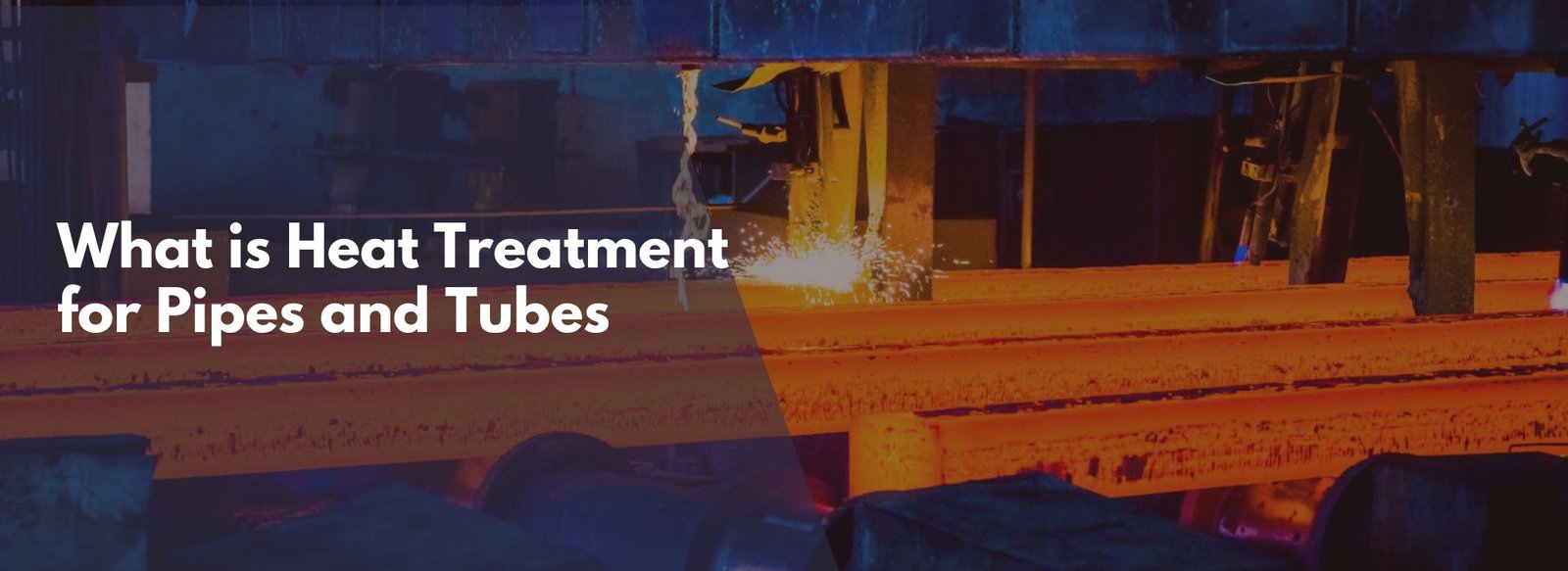
Heat treatment is a controlled process used to change the physical and mechanical properties of steel. When applied to pipes and tubes, it helps improve strength, hardness, flexibility, and resistance to wear and corrosion.
In industrial applications, Heat Treatment for Pipes and Tubes plays a major role in ensuring that the material performs well under pressure, temperature changes, and mechanical stress. Whether used in construction, pipelines, automotive parts, or heavy machinery, properly treated pipes and tubes offer better reliability and longer service life.
This guide explains what heat treatment is, how it works, the different processes involved, and why it matters for real world applications.
Why is Heat Treatment Required for Pipes and Tubes?
Steel pipes and tubes go through rolling, welding, and forming during manufacturing. These processes can introduce internal stress and uneven properties in the material.
Heat treatment helps correct these issues by:
- Improving mechanical strength
- Reducing internal stress
- Enhancing ductility and flexibility
- Improving resistance to cracking and failure
Without proper treatment, pipes may fail under load, pressure, or environmental conditions.
What Happens During Heat Treatment?
Heat treatment involves heating the steel to a specific temperature, holding it for a certain time, and then cooling it in a controlled way.
This process changes the internal structure of the metal, known as the microstructure.
Key stages include:
- Heating the pipe or tube to a defined temperature
- Holding the temperature to allow structural changes
- Cooling at a controlled rate
The cooling method directly affects the final properties of the material.
Types of Heat Treatment for Pipes and Tubes
Different processes are used depending on the required properties.
Annealing
Annealing is used to soften the material and improve ductility.
It involves heating the steel and then cooling it slowly.
Used when:
- Pipes need to be bent or shaped
- Internal stress needs to be reduced
- Improved machinability is required
Normalizing
Normalizing refines the grain structure of steel and improves strength.
The material is heated and then cooled in air.
Used when:
- Uniform strength is required
- Structural applications are involved
- Better toughness is needed
Quenching
Quenching increases hardness and strength.
The heated pipe is cooled rapidly in water or oil.
Used when:
- High strength is required
- Wear resistance is important
Tempering
Tempering is done after quenching to reduce brittleness.
It balances hardness and toughness.
Used when:
- Pipes must handle both stress and impact
- Cracking needs to be avoided
Comparison Table of Heat Treatment Processes
| Process | Purpose | Cooling Method | Result |
|---|---|---|---|
| Annealing | Softening and stress relief | Slow cooling | Improved ductility |
| Normalizing | Grain refinement | Air cooling | Better strength and toughness |
| Quenching | Hardening | Rapid cooling | High hardness |
| Tempering | Reduce brittleness | Controlled reheating | Balanced properties |
How Heat Treatment Improves Pipe Performance
The main goal of Heat Treatment for Pipes and Tubes is to improve performance in real conditions.
After treatment, pipes and tubes show:
- Better load handling capacity
- Improved resistance to cracking
- Higher durability under pressure
- Consistent mechanical properties
This is especially important in industries where safety and performance are critical.
Where Heat Treated Pipes and Tubes Are Used
Heat treated pipes and tubes are used in a wide range of industries.
Construction and Infrastructure
Used in structural frameworks, bridges, and support systems where strength is required.
Oil and Gas Industry
Used in pipelines that carry oil, gas, and other fluids under high pressure.
Automotive Industry
Used in exhaust systems and mechanical components where strength and durability matter.
Power Plants
Used in high temperature environments such as boilers and heat exchangers.
Heat Treatment vs Non Heat Treated Pipes
Understanding the difference helps in selecting the right product.
| Factor | Heat Treated Pipes | Non Heat Treated Pipes |
|---|---|---|
| Strength | Higher | Lower |
| Durability | Long lasting | Moderate |
| Stress Resistance | Better | Limited |
| Application | Heavy duty | General use |
Heat treated pipes are preferred in demanding applications where performance matters.
Factors That Affect Heat Treatment Results
The effectiveness of heat treatment depends on several factors.
Temperature used during heating plays a major role in defining the final properties. Cooling rate also affects hardness and strength. Holding time determines how well the internal structure changes.
Material composition is another important factor. Different grades of steel respond differently to heat treatment.
Proper control of these factors ensures consistent quality.
Common Issues in Heat Treatment
If not done correctly, heat treatment can lead to problems.
Some common issues include:
- Uneven hardness
- Surface cracks
- Distortion of pipes
- Reduced strength
These issues usually occur due to incorrect temperature control or improper cooling methods.
Standards and Quality Control
Manufacturers follow industry standards to ensure proper heat treatment.
Common standards include:
- ASTM standards
- ISO certifications
- Indian standards for steel pipes
Quality checks are performed to ensure that pipes meet required strength and performance levels.
Advantages of Heat Treatment for Pipes and Tubes
Heat treatment offers several advantages in industrial use.
- Improves strength and durability
- Enhances resistance to wear and tear
- Reduces risk of failure under pressure
- Extends service life of pipes and tubes
These benefits make heat treated pipes suitable for critical applications.
Conclusion
Heat Treatment for Pipes and Tubes is an essential process that improves strength, durability, and performance in industrial applications. By controlling temperature and cooling, manufacturers can adjust the internal structure of steel to meet specific requirements.
Different processes such as annealing, normalizing, quenching, and tempering serve different purposes depending on the application. Understanding these processes helps in selecting the right type of pipe or tube for a project.
Heat treated pipes offer better reliability, longer service life, and improved safety, making them a preferred choice in construction, infrastructure, and industrial systems.
Frequently Asked Questions
Which heat treatment process is best for pipes?
The best process depends on the application. Annealing is used for flexibility, while quenching and tempering are used for strength.
Are all pipes heat treated?
Not all pipes are heat treated. It depends on the application and performance requirements.
Does heat treatment increase pipe strength?
Yes, processes like quenching and normalizing increase strength and hardness.
What industries use heat treated pipes?
Industries such as construction, oil and gas, automotive, and power plants use heat treated pipes.
Can heat treatment affect pipe size or shape?
If not controlled properly, heat treatment can cause slight distortion, but proper processes minimize this risk.
What is the difference between annealing and normalizing?
Annealing softens the material and improves ductility, while normalizing increases strength and refines the grain structure.
How do manufacturers ensure quality in heat treatment?
They follow industry standards, control temperature and cooling processes, and perform testing to check strength and durability.