


Weld Neck vs Slip-On Flange: Which Is Better for High Pressure Pipelines?

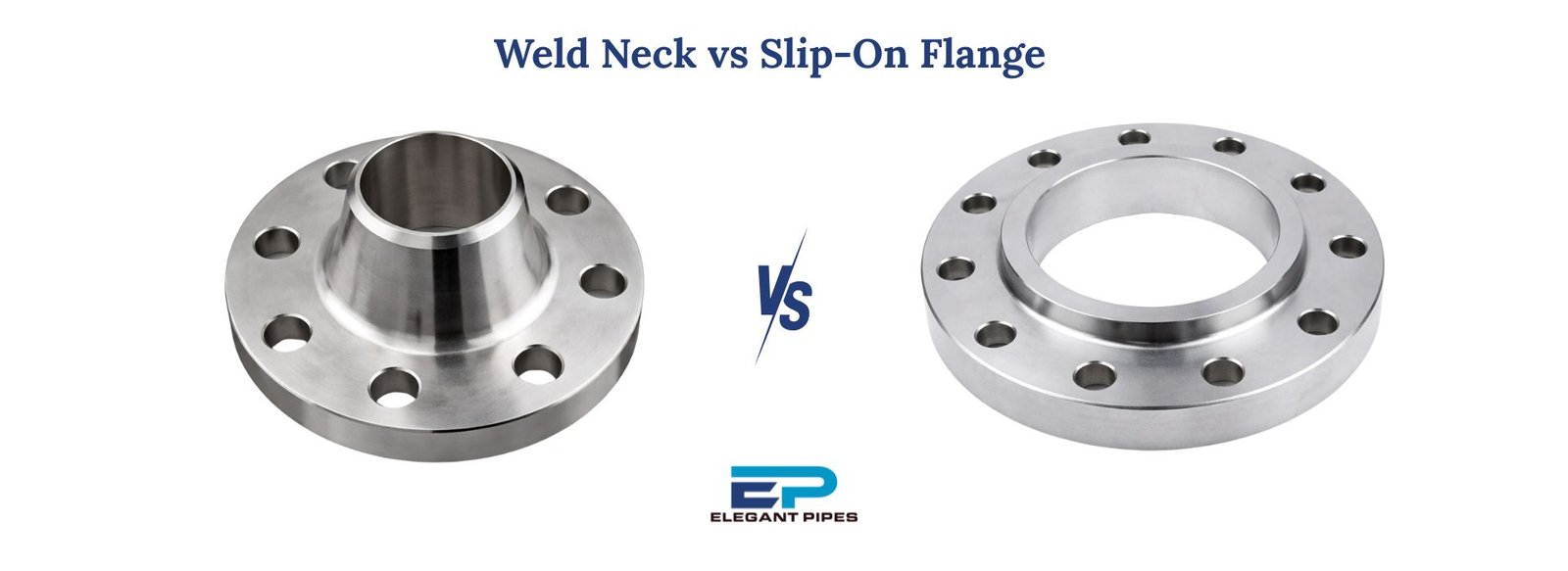
In industrial piping systems, selecting the right flange is critical for maintaining pressure integrity, system safety, and long-term operational reliability. Among the most commonly used Stainless Steel Flanges, two designs are often compared: the Weld Neck Flange and the Slip On Flange.
Both flange types serve the same fundamental purpose: connecting pipes, valves, pumps, and other equipment, but their structural design, installation method, and pressure-handling capabilities differ significantly.
For engineers, procurement managers, and EPC contractors working with high-pressure pipelines, understanding the difference between these two flanges is essential for selecting the most reliable solution.
What Are Stainless Steel Flanges and Why Are They Important in Piping Systems?
Stainless Steel Flanges are mechanical components used to join pipes and equipment in industrial pipelines. They provide a strong yet removable connection, allowing systems to be assembled, inspected, and maintained efficiently.
Flanges are widely used in industries such as:
- Oil and gas
- Chemical processing
- Power generation
- Marine engineering
- Water treatment
Stainless steel is preferred for flange manufacturing because it offers:
- Excellent corrosion resistance
- High temperature tolerance
- Long service life
- Structural strength under pressure
Among various flange types, Weld Neck Flanges and Slip On Flanges are two of the most frequently specified options.
Understanding the Basic Design Difference
The primary difference between a Weld Neck Flange and a Slip On Flange lies in their design and how they connect to the pipe.
A Weld Neck Flange features a long tapered hub that is welded directly to the pipe using a butt-weld connection. This design allows the stress to transfer smoothly from the flange to the pipe.
A Slip On Flange, as the name suggests, slides over the pipe before being welded in place. It is typically welded both inside and outside to secure the connection.
Because of these structural differences, each flange type performs differently in terms of pressure handling and durability.
Why Is Weld Neck Flange Preferred for High Pressure Pipelines?
When pipelines operate under extreme pressure or temperature conditions, engineers usually prefer Weld Neck Flanges.
The long tapered hub of a weld neck flange distributes mechanical stress evenly along the pipe. This significantly reduces the risk of stress concentration at the joint.
Key advantages include:
- Superior strength under high pressure
- Better resistance to fatigue and vibration
- Reduced risk of leakage
- Improved flow characteristics due to smooth bore alignment
Because of these properties, Weld Neck Flanges are commonly used in:
- Oil refineries
- Offshore platforms
- High-pressure steam lines
- Petrochemical plants
In critical applications, weld neck flanges provide a level of reliability that other flange types may not match.
How Does a Slip On Flange Work in Piping Systems?
A Slip On Flange is designed for easier installation. The pipe simply slides into the flange before welding takes place.
Unlike a weld neck flange, slip on flanges require two fillet welds:
- One inside the flange
- One outside the flange
This design makes installation faster and requires less precision during pipe cutting.
Common advantages include:
- Easier alignment during installation
- Lower fabrication complexity
- Suitable for low and moderate pressure systems
- Cost-effective for large diameter pipelines
However, slip on flanges generally provide less structural reinforcement compared to weld neck flanges.
Which Flange Handles High Pressure Better?
For high-pressure pipelines, Weld Neck Flanges are generally the better choice.
The reason is primarily structural. The tapered hub acts as a reinforcement, reducing stress concentration at the weld joint. This improves the flange’s ability to withstand:
- High pressure
- Temperature fluctuations
- Mechanical vibration
- Cyclic loading
Slip on flanges, while effective in many systems, may not provide the same level of mechanical strength under extreme operating conditions.
Installation Differences Between Weld Neck and Slip On Flanges
Installation complexity is another important consideration when choosing between these two types of Stainless Steel Flanges.
Weld Neck Flange Installation
Installing a weld neck flange requires precise pipe preparation because the pipe must be butt welded directly to the flange hub.
This process ensures excellent structural integrity but requires skilled welding and inspection.
Slip On Flange Installation
Slip on flanges are easier to install because the pipe simply slides into position.
Typical installation steps include:
- Slide the flange onto the pipe
- Align the flange properly
- Perform fillet welding on both sides
Because of its simpler installation process, the slip on flange is often chosen for projects with large piping networks.
Structural Strength Comparison
The difference in strength between the two designs becomes clearer when comparing their structural behavior.
| Feature | Weld Neck Flange | Slip On Flange |
|---|---|---|
| Pressure Handling | Excellent | Moderate |
| Structural Strength | Very High | Medium |
| Fatigue Resistance | High | Lower |
| Installation Difficulty | Higher | Easier |
| Alignment Accuracy | Very Precise | More Flexible |
For pipelines operating at high pressure, the structural benefits of a Weld Neck Flange make it the preferred option.
Where Are Weld Neck Flanges Commonly Used?
Because of their strength and durability, weld neck flanges are typically used in critical industrial environments.
Common applications include:
- Oil and gas pipelines
- Petrochemical plants
- High-temperature steam systems
- Offshore drilling platforms
- High-pressure process lines
In these industries, reliability is crucial, making weld neck flanges the safer long-term solution.
When Should Slip On Flanges Be Used Instead?
Slip on flanges are ideal when the piping system operates under moderate pressure conditions and ease of installation is important.
They are often used in:
- Water pipelines
- Cooling systems
- Fire protection lines
- Low pressure process systems
For projects where installation efficiency and cost control are priorities, slip on flanges offer practical advantages.
Are Stainless Steel Flanges Better Than Carbon Steel Flanges?
Many industrial buyers choose Stainless Steel Flanges because they offer superior corrosion resistance and longer service life compared to carbon steel.
Benefits include:
- Resistance to rust and oxidation
- Better performance in chemical environments
- High temperature capability
- Reduced maintenance requirements
For offshore, chemical, and marine industries, stainless steel is often the preferred material.
What Standards Govern Weld Neck and Slip On Flanges?
Industrial flanges are manufactured according to international standards to ensure compatibility and safety.
Common standards include:
- ASME B16.5 – Pipe Flanges and Flanged Fittings
- ASTM A182 – Forged Stainless Steel Flanges
- EN 1092-1 – European flange standard
- DIN standards for industrial piping systems
Compliance with these standards ensures that flanges can be used safely in global industrial projects.
Final thought: Which Flange Should You Choose?
Both Weld Neck Flange and Slip On Flange serve important roles in piping systems, but the right choice depends on operating conditions.
Choose a Weld Neck Flange when:
- The pipeline operates under high pressure
- System reliability is critical
- Vibration or thermal cycling is expected
Choose a Slip On Flange when:
- Installation simplicity is important
- Pressure requirements are moderate
- Large piping networks need efficient assembly
In high-pressure pipelines, the structural advantages of Weld Neck Flanges generally make them the safer and more durable option.
Frequently Asked Questions
What is the main difference between Weld Neck Flange and Slip On Flange?
A weld neck flange has a tapered hub and is butt welded to the pipe, while a slip on flange slides over the pipe and is secured with fillet welds.
Why are Weld Neck Flanges used in high pressure systems?
Their tapered hub design distributes stress evenly and reduces the risk of fatigue or leakage.
Are Slip On Flanges suitable for high pressure pipelines?
They are typically used for low to moderate pressure systems rather than extremely high-pressure environments.
Which industries commonly use Stainless Steel Flanges?
Industries such as oil and gas, petrochemical, power generation, marine, and water treatment widely use stainless steel flanges.
Do Weld Neck Flanges provide better durability?
Yes, weld neck flanges generally provide better structural strength and long-term reliability compared to slip on flanges.