Plasma Cutting vs Laser Cutting: Cost per Meter, Precision, and Best Use Cases for Thick Metals

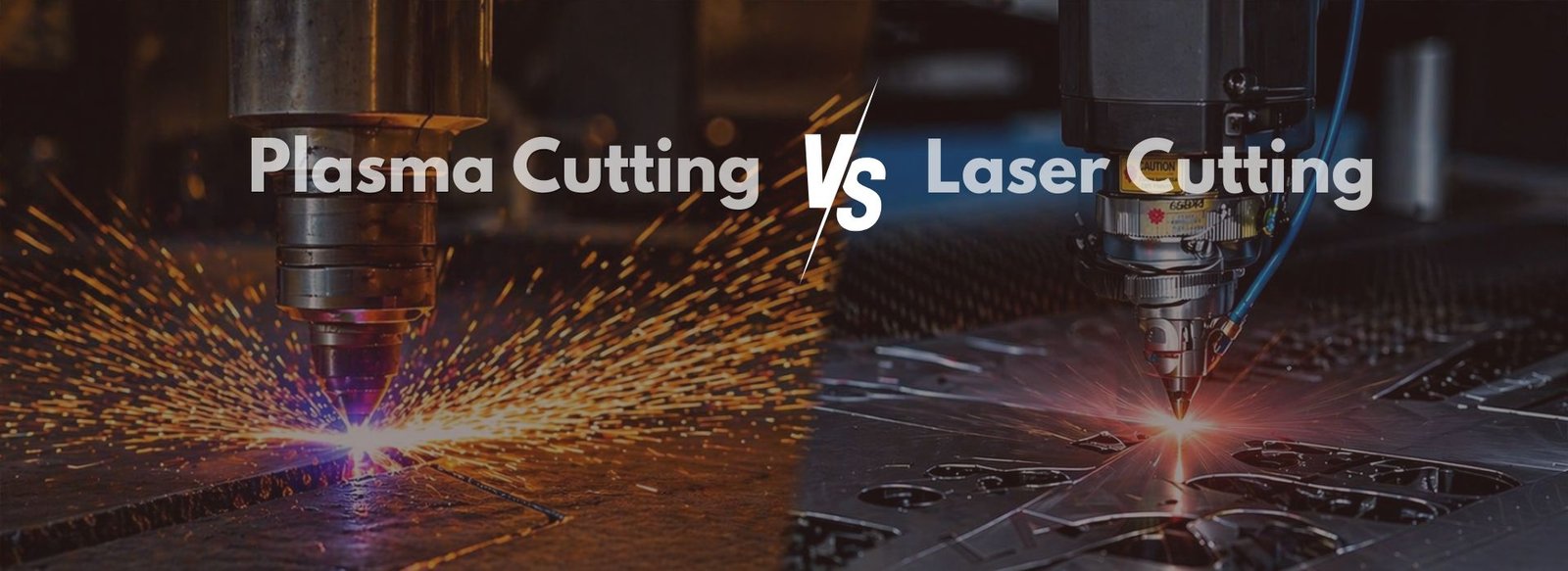
Metal fabrication often demands a balance between speed, accuracy, and cost, and that is where plasma cutting stands out as a practical choice for many industries working with thick materials. From heavy machinery parts to structural steel, selecting the right cutting method affects both production quality and overall expenses.
When businesses look for reliable solutions, Plasma Cutting Services in India have gained attention for handling thicker metals at lower operational costs, and companies like Elegant Pipes focus on delivering consistent results without delays. At the same time, laser cutting remains a preferred option where precision matters more than thickness handling.
Understanding the difference in simple terms
Both plasma and laser cutting fall under thermal cutting methods, meaning they use heat to cut through metal. The difference lies in how that heat is generated and applied.
Plasma cutting uses an electrically conductive gas to create a high-temperature plasma arc that melts metal quickly. It works best on thicker metals and delivers faster cutting speeds.
Laser cutting uses a focused light beam to melt or vaporize material. It produces finer cuts with smooth edges, but it struggles when the material gets too thick.
Cost per meter comparison for real-world use
Cost plays a major role when selecting a cutting method, especially for large-scale fabrication work. Plasma cutting usually offers a lower cost per meter compared to laser cutting when working with thick steel plates.
Plasma systems have lower initial setup costs and consume less energy when cutting thicker materials. This makes them suitable for projects where large volumes of steel need to be processed.
Laser cutting machines require higher investment and maintenance. While they provide excellent precision, the cost per meter increases as thickness increases, making them less suitable for heavy-duty steel work.
Here is how cost differences typically appear in practical situations:
- Plasma cutting gives better cost efficiency for thick metal sheets above 10mm
- Laser cutting becomes expensive when dealing with heavy plates
- Plasma systems require less setup time for bulk cutting tasks
Precision and finish quality comparison
Precision is where laser cutting clearly performs better. It delivers extremely fine cuts with minimal deviation, which makes it ideal for intricate designs or parts that need tight tolerances.
Plasma cutting, on the other hand, provides slightly wider cuts and may require additional finishing depending on the project. However, modern plasma systems have improved a lot and can deliver clean edges for most industrial needs.
One important factor to consider is the heat affected zone (HAZ). This refers to the area around the cut where metal properties may change due to heat exposure.
- Laser cutting produces a smaller heat affected zone (HAZ), which helps maintain material strength
- Plasma cutting creates a wider HAZ, but it is manageable for most structural applications
- Proper settings and skilled operation can reduce unwanted thermal effects
Speed and productivity in fabrication work
Speed matters when dealing with deadlines and large orders. Plasma cutting works faster on thick metals because it can penetrate and cut quickly without losing efficiency.
Laser cutting is faster for thin materials but slows down as thickness increases. This makes plasma cutting a better choice for heavy fabrication where time is a major factor.
In many fabrication workshops, plasma machines handle bulk cutting while laser machines are reserved for detailed work.
Best use cases for each cutting method
Choosing between these methods depends on your project requirements, material thickness, and budget.
Plasma cutting works best for:
- Thick steel plates and heavy fabrication work
- Industrial components where speed is more important than fine detailing
- Projects that require lower cost per meter
Laser cutting is more suitable for:
- Thin sheets and precision parts
- Decorative designs and complex shapes
- Applications where minimal finishing is required
Which is better plasma cutting or laser cutting for thick steel
This question comes up often among buyers and engineers. For thick steel, plasma cutting is usually the better option because it handles higher thickness levels without a sharp rise in cost.
Laser cutting struggles beyond certain thickness limits and becomes less efficient. Plasma cutting maintains speed and cost balance, making it more suitable for structural and industrial use.
Factors that influence your final decision
Several practical factors affect your choice between plasma and laser cutting. These include material type, required precision, project scale, and budget limits.
You should also consider turnaround time and post-processing requirements. If your project needs quick delivery and involves thick metals, plasma cutting offers a more practical solution.
Why industries continue to rely on plasma cutting
Industries such as construction, shipbuilding, and heavy equipment manufacturing continue to depend on plasma cutting for its reliability and cost control. It delivers consistent results even under demanding workloads.
With improved machine technology, plasma cutting today offers better edge quality and reduced waste, making it a dependable option for modern fabrication needs.
How Elegant Pipes supports your fabrication needs
Elegant Pipes works with advanced machinery and experienced operators to deliver accurate cuts for various industrial applications. The focus remains on maintaining quality while keeping project timelines and costs under control.
Whether the requirement involves thick steel plates or large batch production, the approach stays practical and result-orientated.
Choosing the right cutting method
For thick steel and heavy fabrication work, plasma cutting offers better speed and cost control. Laser cutting works well for fine detailing, but it slows down and becomes expensive with thicker materials.
Elegant Pipes focuses on practical solutions based on your exact requirement, helping you get consistent results without unnecessary costs.
If you are planning a project, you can connect with the team to find a cutting method that fits your material and budget.
FAQs
Q1: Which cutting method is more affordable for thick steel
Answer: Plasma cutting is more affordable for thick steel because it offers lower cost per metre and faster processing speed.
Q2: Does plasma cutting affect metal strength
Answer: It can create a heat-affected zone (HAZ), but proper settings reduce its impact on strength.
Q3: Is laser cutting better for precision work
Answer: Yes, laser cutting provides higher precision and smoother edges for detailed applications.
Q4: Can plasma cutting be used for thin materials
Answer: Yes, but it may not match the precision of laser cutting for very thin sheets.
Q5: Which method is faster for large projects
Answer: Plasma cutting is faster for thick materials and large-scale industrial work.