How to Select the Right Stainless Steel Valve for Your Industry

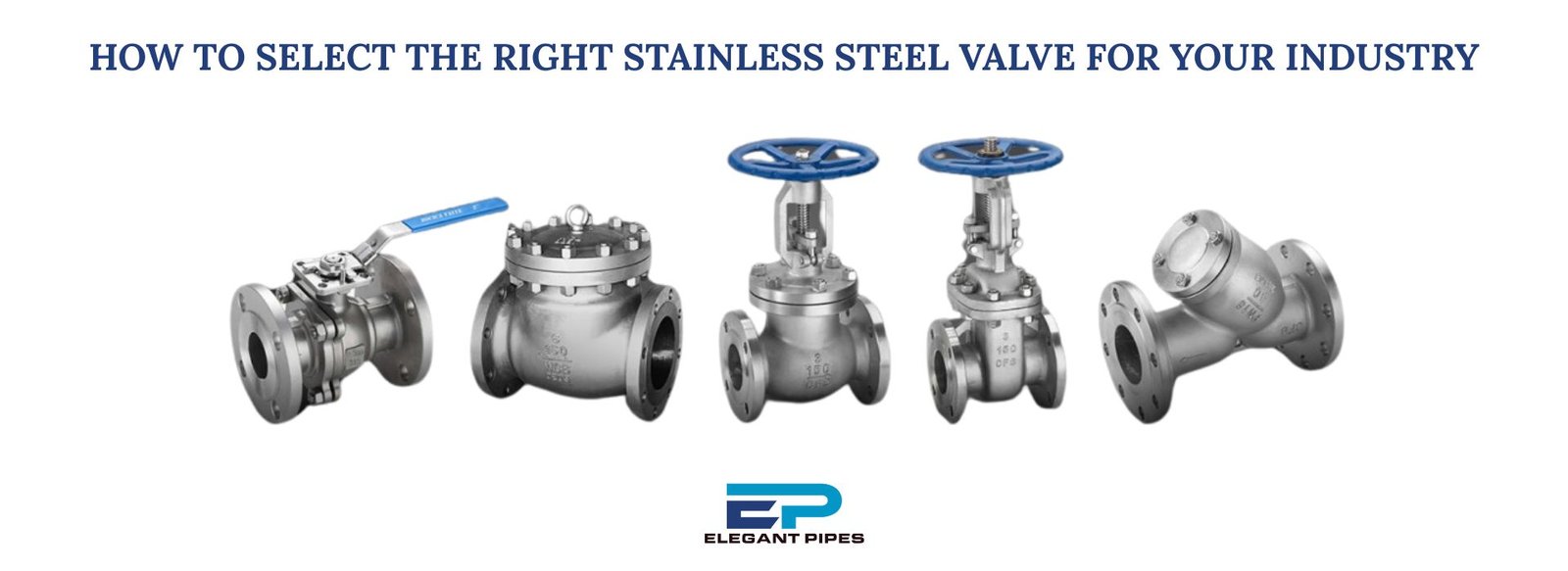
Industrial buyers often ask: “How do we choose the right stainless steel valve for our project?” The answer is not always simple because valve selection depends on pressure, temperature, fluid type, compliance standards, and long-term operating conditions.
For procurement managers and EPC contractors across India, the Middle East, Europe, and the USA, selecting the correct Stainless Steel Valves ensures operational safety, regulatory compliance, and reduced maintenance costs. This guide addresses the most common selection questions and provides practical, technical answers.
What Type of Stainless Steel Valve Do I Need for My Application?
The first question buyers typically ask is about valve type. Not all stainless steel valves serve the same purpose.
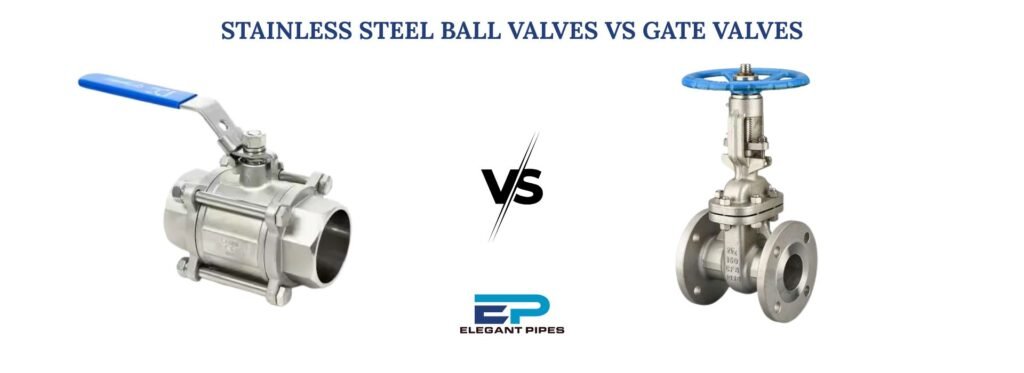
If your application requires quick shut-off in high-pressure pipelines, a stainless steel ball valve is generally the preferred choice. It uses a rotating ball mechanism to allow or block flow completely, making it ideal for oil & gas and petrochemical systems. Even smaller configurations such as a 1 2 inch stainless steel ball valve are widely used in instrumentation and small-bore process lines.
For large-diameter pipelines or water systems where flow regulation is required, a stainless steel butterfly valve may be more suitable. Its lightweight disc mechanism allows efficient throttling and is commonly installed in infrastructure and utility projects.
When the system requires a 90-degree flow change, engineers often select a stainless steel angle valve, especially in steam and high-temperature environments.
If system safety is the priority, particularly in boilers or power plants, a stainless steel relief valve is essential to prevent overpressure damage. For precision control in instrumentation systems, a stainless steel needle valve allows accurate flow adjustment.
Choosing the correct valve type depends on understanding how the system must operate on/off, throttling, directional change, or pressure protection.
How Do Valve Size and Dimensions Affect Performance?
Valve size is not just about matching pipe diameter. Buyers must verify compatibility using standard measurement parameters such as:
- Nominal Bore (NB)
- Outer Diameter (OD)
- Inner Diameter (ID)
The NB ensures the valve aligns with the pipeline system. OD is important for flanged connections, while ID determines flow capacity. A mismatch in these dimensions can restrict flow or create pressure drops.
In export projects, dimensional compliance must align with ASME, DIN, or EN standards depending on the destination country. Precision machining ensures correct tolerances and leak-proof installation.
What Pressure Rating Should My Stainless Steel Valve Have?
Pressure rating is one of the most critical selection factors. Every industrial valve is classified under pressure classes such as:
| Pressure Class | Typical Application |
|---|---|
| Class 150 | Low-pressure systems |
| Class 300 | Medium pressure |
| Class 600 | High pressure |
| Class 900+ | Critical oil & gas |
If your project involves refineries or offshore platforms, higher pressure classes are mandatory. For water systems or HVAC, lower classes may suffice.
Always review the pressure-temperature chart to ensure the valve can withstand maximum allowable working pressure (MAWP) under operating conditions.
How Does Wall Thickness and Schedule Impact Valve Strength?
Industrial buyers frequently ask how valve body thickness affects durability. Wall thickness directly impacts pressure handling and structural strength.
Valves are often matched with pipe schedules such as:
- Schedule 40
- Schedule 80
- Schedule 160
Higher schedules indicate thicker walls and greater pressure capacity. For high-pressure steam or chemical lines, thicker valve bodies provide added safety and longevity.
Should I Choose Cast or Forged Stainless Steel Valves?
Manufacturing method significantly influences valve performance.
Cast Stainless Steel Valves are produced by pouring molten metal into molds. They are ideal for larger sizes and complex shapes. However, cast valves may have lower mechanical strength compared to forged valves.
Forged Stainless Steel Valves are created under high compressive force, improving grain structure and mechanical strength. These valves are recommended for high-pressure and critical industrial systems.
For demanding applications in oil & gas or power plants, forged valves are often preferred.
Which Stainless Steel Grade Is Best for My Industry?
Material grade selection depends primarily on corrosion exposure.
- SS 304 – Suitable for general industrial environments
- SS 316 / 316L – Better resistance to chlorides and chemicals
- Duplex Stainless Steel – Higher strength and superior corrosion resistance
For marine or chemical industries, SS 316 is commonly recommended due to molybdenum content that enhances corrosion resistance.
What Standards Should Stainless Steel Valves Comply With?
Global projects require strict adherence to international standards. Buyers must verify compliance with:
- ASTM A351 / A182
- ASME B16.34
- API 600 / API 602
- EN / DIN specifications
These standards govern dimensions, pressure ratings, testing procedures, and material properties.
Additionally, ensure availability of:
- Mill Test Certificates (MTC)
- Hydrostatic test reports
- PMI testing
- Third-party inspection documentation
How Do Stainless Steel Valves Perform in Different Industries?
Oil & Gas
High-pressure, corrosive environments require forged stainless steel ball valves and API-compliant designs.
Chemical Processing
SS 316 valves and stainless steel needle valves are commonly used for handling aggressive chemicals.
Power Plants
Stainless steel relief valves and angle valves are essential for steam and pressure control systems.
Construction & Infrastructure
Large stainless steel butterfly valves are widely used for water distribution systems.
Comparison of Common Stainless Steel Valves
| Feature | Ball Valve | Butterfly Valve | Needle Valve |
|---|---|---|---|
| Flow Control | On/Off | Throttling | Precision |
| Pressure Handling | High | Medium | Medium |
| Size Range | Small to Large | Large | Small |
| Industry Use | Oil & Gas | Water Systems | Instrumentation |
What Mistakes Should Buyers Avoid?
Industrial procurement errors can be costly. Common mistakes include:
- Ignoring corrosion environment
- Selecting incorrect pressure class
- Not verifying compliance documentation
- Choosing wrong end connections
- Overlooking dimensional tolerances
A structured technical review before procurement reduces risk significantly.
Conclusion
Selecting the right Stainless Steel Valves requires technical evaluation of valve type, dimensions, pressure rating, material grade, manufacturing process, and compliance standards. Every industry from oil & gas to power generation has unique requirements.
For global industrial buyers, working with a knowledgeable and compliant supplier ensures long-term performance and project approval.
Frequently Asked Questions (FAQs)
Q1. Which stainless steel valve is best for high-pressure systems?
Forged stainless steel ball valves in higher pressure classes are typically recommended.
Q2. Is a stainless steel butterfly valve suitable for chemical plants?
It can be used for certain fluids, but SS 316 ball or needle valves are often preferred for aggressive chemicals.
Q3. How do I select the right valve size?
Match the valve’s NB with the pipeline and verify OD and ID compatibility.
Q4. What testing is required before export?
Hydro testing, PMI, and compliance documentation per ASTM/API standards.
Q5. Are smaller valves like 1 2 inch stainless steel ball valve used in industries?
Yes, they are widely used in instrumentation and small process lines.
Q6. Why are stainless steel valves preferred over carbon steel?
Because of better corrosion resistance, longer life, and lower maintenance.