


How Galvanization Protects Steel from Corrosion

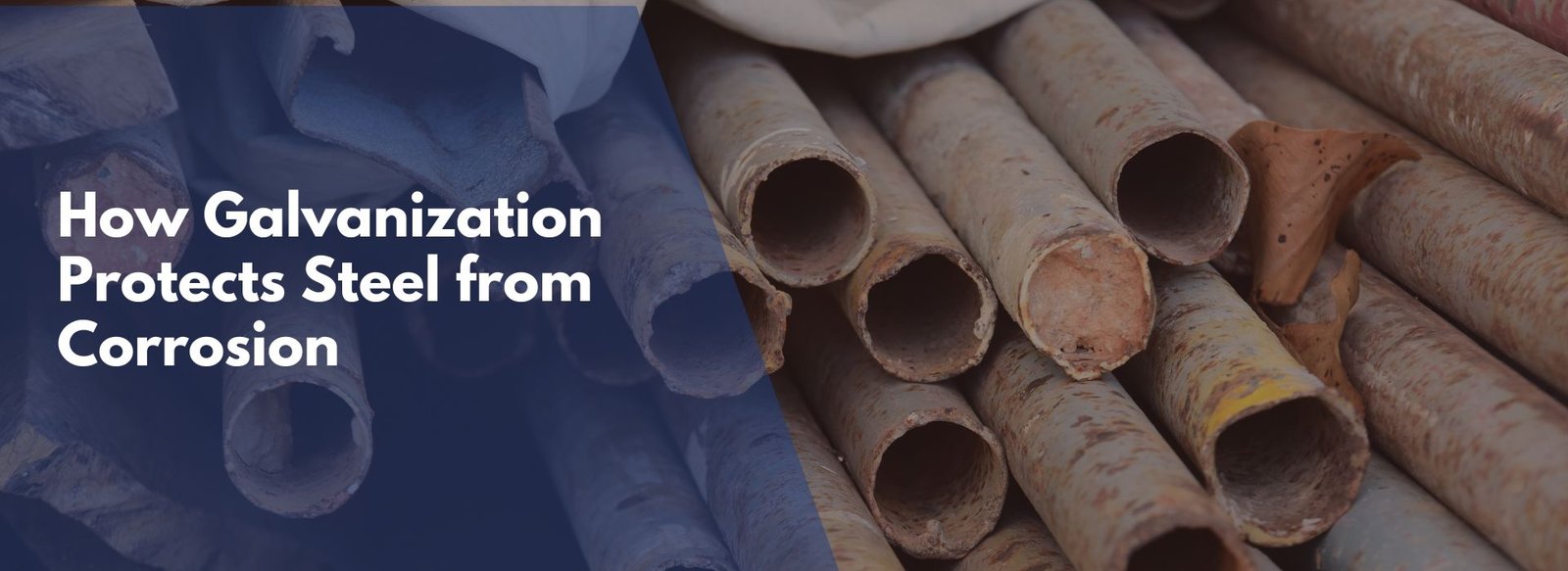
Steel plays a critical role in construction, infrastructure, manufacturing, and industrial projects. Despite its strength, steel has one major weakness: corrosion. When exposed to moisture, oxygen, and pollutants, steel begins to rust, leading to reduced strength, higher maintenance costs, and shorter service life.
This is why galvanization is widely used across industries as a long-term solution for corrosion protection. Galvanized steel offers durability, reliability, and cost efficiency, making it the preferred choice for steel pipes, structural components, and infrastructure projects.
This article explains how galvanization protects steel from corrosion, the science behind it, and why professional galvanizing services are essential for industrial applications.
What Is Corrosion and Why Does Steel Rust?
Corrosion is a natural chemical process that occurs when iron in steel reacts with oxygen and moisture. This reaction forms iron oxide, commonly known as rust. Over time, rust spreads across the steel surface and gradually weakens the metal.
Steel corrodes faster in certain environments, especially where moisture and pollutants are present continuously.
Common high-risk corrosion environments include:
- Coastal areas with salty air
- Industrial zones with chemical exposure
- High-humidity and heavy rainfall regions
- Underground or marine applications
If corrosion is not properly controlled, it can cause structural failures, safety risks, and frequent repairs. This makes corrosion protection a critical requirement for steel used in long-term projects.
What Is Galvanization?
Galvanization is the process of applying a zinc coating to steel to protect it from corrosion. Zinc is used because it corrodes more slowly than steel and provides additional chemical protection.
Among all galvanizing methods, hot dip galvanizing is the most effective and widely used for industrial and infrastructure projects. In this process, steel is immersed in molten zinc, forming a strong, durable, and long-lasting protective layer.
Galvanized steel is commonly used in steel pipes, fabricated structures, transmission towers, guardrails, and industrial equipment.
How Galvanization Protects Steel from Corrosion
Galvanization protects steel through multiple mechanisms that work together to ensure long-term durability.
1. Barrier Protection
The zinc coating forms a physical barrier between the steel surface and the surrounding environment. This barrier prevents moisture, oxygen, and pollutants from coming into contact with the steel.
As long as the zinc layer remains intact, corrosion cannot begin on the steel surface.
2. Sacrificial Protection (Cathodic Protection)
One of the most important advantages of galvanization is sacrificial protection.
Zinc is more chemically active than steel. When galvanized steel is exposed to moisture, zinc corrodes first, protecting the underlying steel. Even if the zinc coating is scratched or damaged, the surrounding zinc continues to protect the exposed steel through electrochemical action.
This feature makes galvanized steel far more reliable than painted steel, which starts corroding immediately once the coating is damaged.
3. Self-Healing Properties of Zinc
When zinc corrodes, it forms zinc oxide and zinc carbonate. These compounds settle into small scratches or exposed areas on the steel surface, creating a natural sealing effect.
This self-healing property slows down further corrosion and reduces maintenance requirements over the life of the steel.
Hot Dip Galvanizing Process Explained
Hot dip galvanizing ensures uniform coating thickness and strong bonding between zinc and steel.
The process involves three main stages:
- Surface Preparation
Steel is cleaned through degreasing and pickling to remove oil, dirt, and rust. Clean surfaces are essential for proper zinc bonding. - Zinc Bath Immersion
The steel is dipped into molten zinc at around 450°C. During this stage, zinc reacts with steel to form zinc-iron alloy layers. - Cooling and Inspection
After galvanizing, the steel is cooled and inspected for coating thickness, uniformity, and quality as per standards such as ISO 1461.
How Long Does Galvanized Steel Last?
The lifespan of galvanized steel depends on environmental conditions and coating thickness. However, it consistently outperforms painted or untreated steel.
| Environment | Approximate Lifespan |
| Rural / low pollution | 40–50+ years |
| Urban / industrial | 20–25 years |
| Coastal / high humidity | 15–20 years |
Proper galvanizing services significantly increase steel durability and reduce lifecycle costs.
Galvanized Steel vs Painted Steel
The table below highlights why galvanization is preferred for long-term corrosion protection.
| Feature | Galvanized Steel | Painted Steel |
| Protection type | Barrier + sacrificial | Barrier only |
| Performance after damage | Continues protecting | Corrosion starts |
| Maintenance | Very low | High |
| Lifespan | Long-term | Short-term |
| Cost over lifecycle | Lower | Higher |
Industrial Applications of Galvanized Steel
Galvanized steel is widely used across multiple sectors due to its strength and corrosion resistance.
Common applications include steel pipes for water supply and fire systems, transmission towers, highway structures, industrial fabrication, power plants, and renewable energy projects. Galvanized steel pipes are especially valued for their long service life and low maintenance requirements.
Why Galvanizing Services Are Essential for Infrastructure Projects in India
India’s climate includes high humidity, heavy monsoons, industrial pollution, and coastal exposure. Infrastructure projects are expected to operate for decades with minimal maintenance, making galvanization a necessity rather than an option.
Professional galvanizing services ensure compliance with standards, consistent coating thickness, and reliable corrosion protection, which are critical for public infrastructure and industrial investments.
Choosing the Right Galvanizing Service Provider
When selecting a galvanizing service provider, buyers should focus on quality, compliance, and experience.
Key factors to consider include:
- Compliance with ISO 1461 standards
- Experience with steel pipes and fabricated components
- Strong quality control and inspection processes
- Adequate capacity for large-scale projects
Choosing the right partner directly impacts steel performance and project longevity.
Why Elegant Pipes Is a Trusted Galvanizing Services Provider
Elegant Pipes provides hot dip galvanizing services designed for industrial and infrastructure applications. With expertise in steel pipes, fabrication, and galvanization, the company delivers durable zinc coatings that meet international standards.
Advanced facilities, strict quality checks, and a focus on long-term performance make Elegant Pipes a reliable partner for contractors, builders, and infrastructure companies.
Conclusion
Galvanization is one of the most effective methods of protecting steel from corrosion. By combining barrier protection, sacrificial action, and self-healing properties, galvanized steel delivers unmatched durability for industrial and infrastructure projects.
For reliable, ISO-compliant galvanizing services for steel pipes and fabricated components, Elegant Pipes offers proven solutions that enhance steel performance and reduce long-term costs.
Frequently Asked Questions
Q1. What is galvanization in steel?
Answer: Galvanization is the process of coating steel with zinc to protect it from corrosion and extend its lifespan.
Q2. How does zinc protect steel from corrosion?
Answer: Zinc provides barrier protection and sacrificial protection, corroding before steel and preventing rust formation.
Q3. Is galvanization better than painting?
Answer: Yes, galvanization offers longer-lasting protection and continues to protect steel even if the coating is damaged.
Q4. Does galvanized steel rust over time?
Answer: Galvanized steel can eventually corrode after many years, but its lifespan is significantly longer than untreated or painted steel.